...

ksl-pro.com

Metal welding

We perform metal welding on
the latest equipment and in the agreed terms

толщина-листа-метала

thickness metal being welded

Depending on the type of metal, the welding thickness can be from 0.5 mm to 10 mm

розмір-листа-металу

maximum product dimensions

The size of the product depends on the weight and complexity product

точність-позиціонування

Accuracy of the weld

The quality of the seams we make meet international ISO standards

потужность-лазера

Variety of types of welding

We use different types of welding depending on the needs of the project

we implement the order on time

Our types of welding

Laser welding
Semi-automatic welding
Argon welding
Spot welding

quality control at every stage

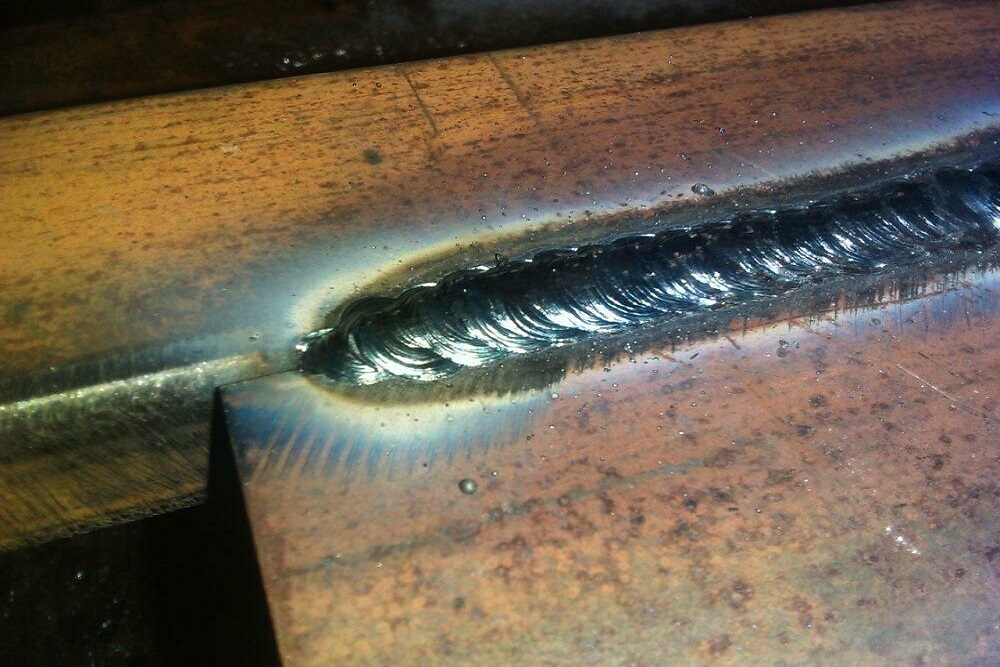
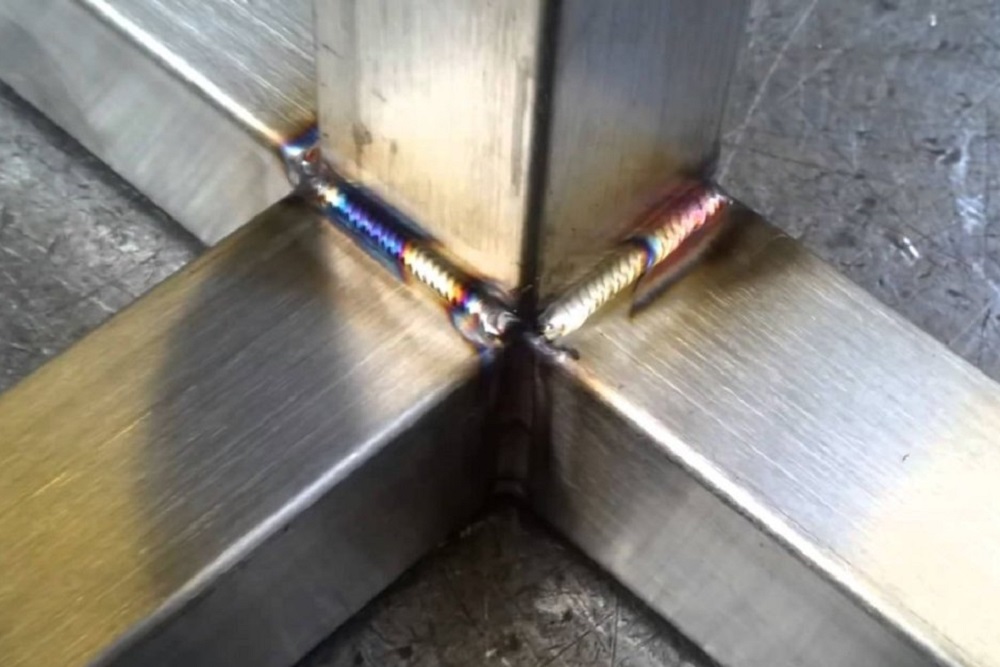
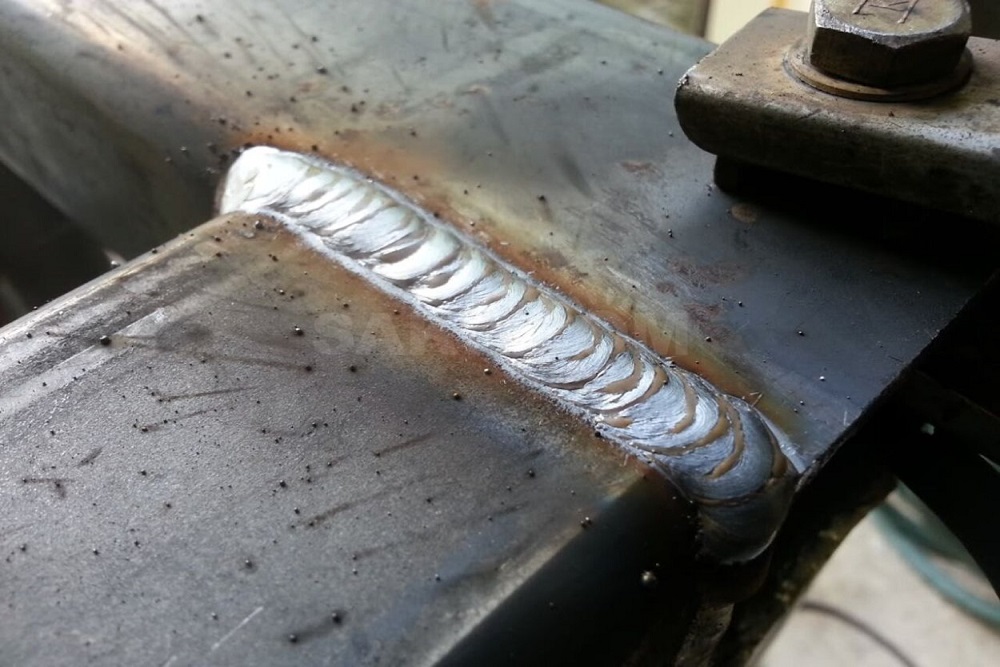
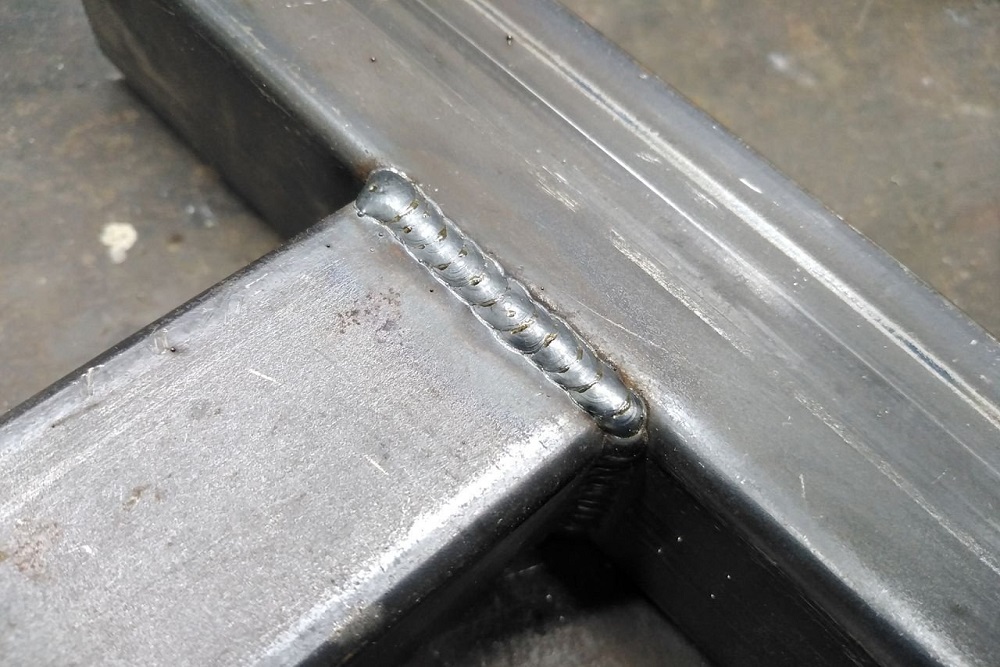
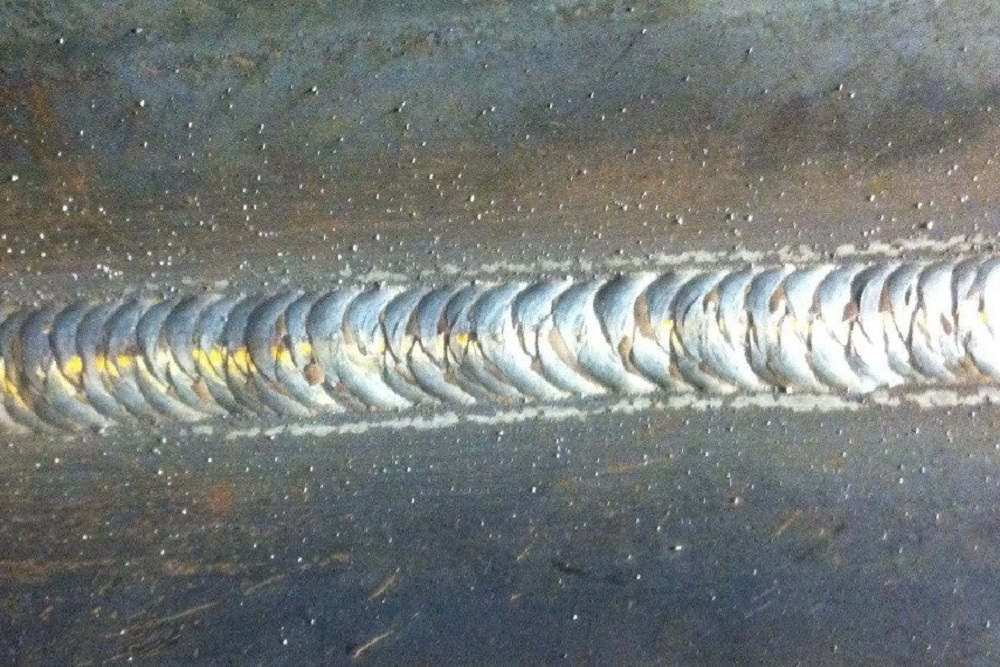
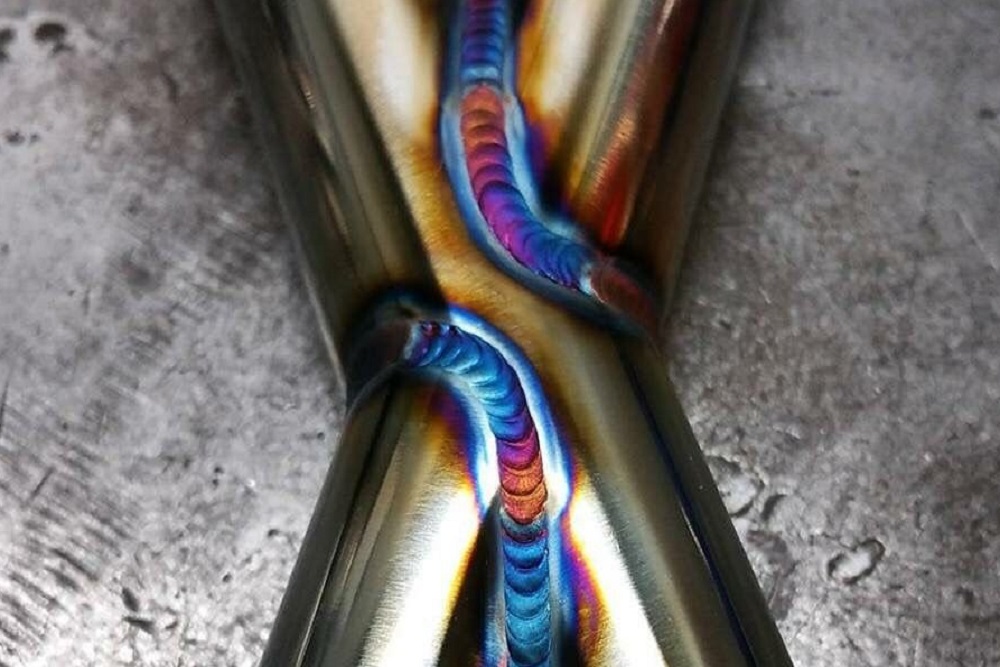
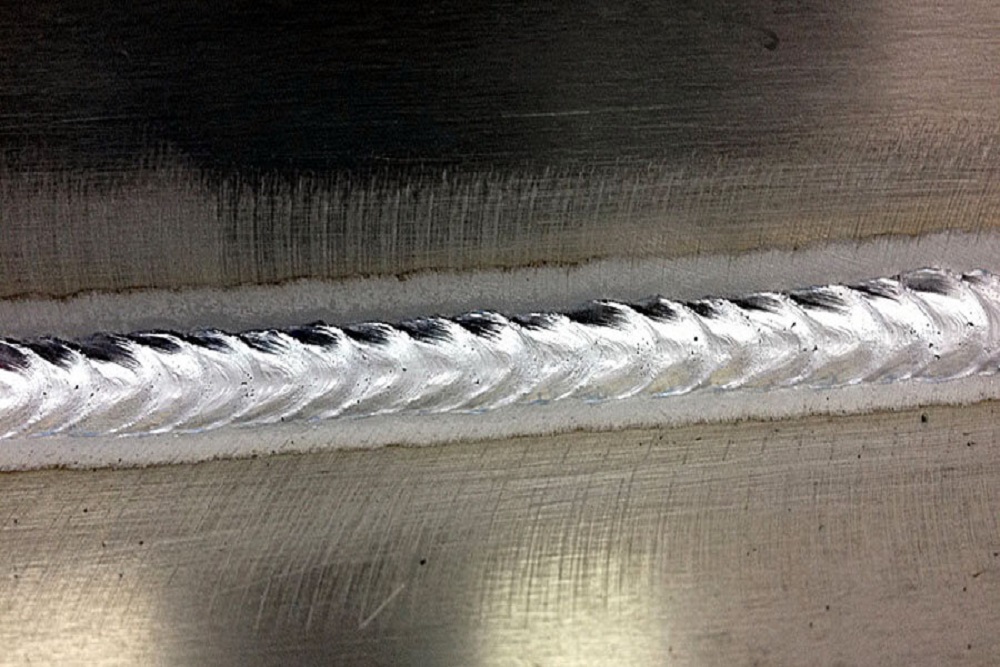
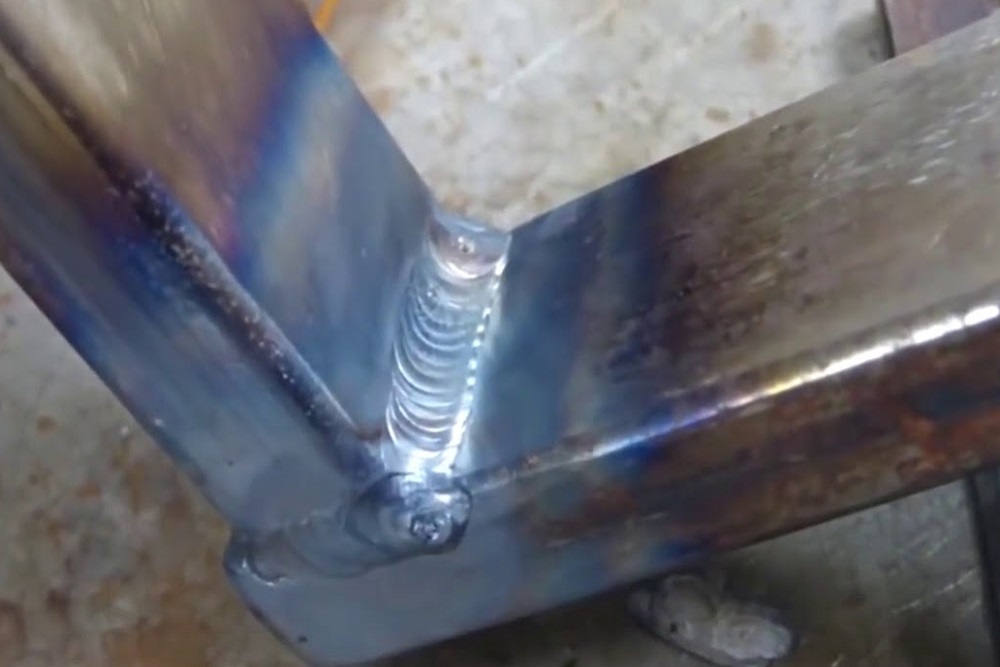
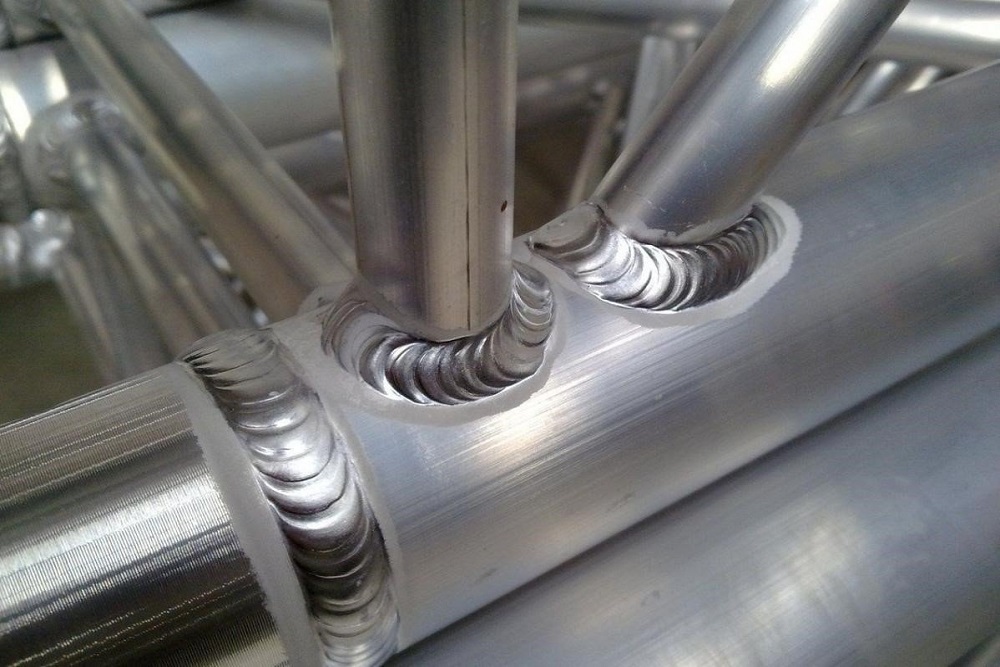
Examples of products after a fight

How do we work?

You leave an application for miscalculation

You leave the application in a convenient way for you. It can be: a phone call, an email or a form on the website.

We clarify the details of the order

We check the availability and compliance of the technical task according to our requirements and contact you to clarify the details.

We provide you with an order calculation

We provide you with an estimate of your project from 1 to 5 working days, depending on the complexity of the project.

Production and approval of the sample

We make a test sample or test mini-batch for you and agree on all the key points for the future order

We sign a cooperation agreement with you

We sign a cooperation agreement with you and agree on the shipment schedule.

Launching a batch of products into operation

We launch the agreed batch of products into operation and report to you upon readiness for shipment planning.

we respond quickly to project requests

What is metal welding?

Metal Welding: A Versatile Joining Process

Welding is a fabrication process that joins materials, usually metals or thermoplastics, by using high heat to melt the parts together and allowing them to cool, causing fusion. Welding is distinct from lower temperature techniques such as brazing and soldering, which do not melt the base metal (parent metal).

Types of Metal Welding

There are many different types of welding processes, each with its own advantages and disadvantages. Some of the most common types include:

  • Gas metal arc welding (GMAW), also known as metal inert gas or MIG welding, is a semi-automatic or automatic process that uses a continuous wire feed as an electrode and an inert or semi-inert gas mixture to protect the weld from contamination.
  • Shielded metal arc welding (SMAW), also known as manual metal arc welding (MMA or MMAW), flux shielded arc welding or informally as stick welding, is a manual arc welding process that uses a consumable electrode covered with a flux to lay the weld.
  • Tungsten inert gas welding (TIG), also known as gas tungsten arc welding or GTAW, is a manual or automated welding process that uses a non-consumable tungsten electrode and an inert gas to weld metals.
  • Plasma arc welding (PAW) is a welding process that uses a plasma arc to melt the base metal. The plasma arc is created by constricting the arc between a tungsten electrode and the workpiece with a water-cooled nozzle.

Advantages of Metal Welding

Metal welding offers a number of advantages over other joining methods, including:

  • Strength: Welded joints can be as strong or stronger than the base metal.
  • Durability: Welded joints are generally resistant to corrosion and fatigue.
  • Versatility: Welding can be used to join a wide range of metals and materials.
  • Cost-effectiveness: Welding is often a cost-effective method of joining metal.

Applications of Metal Welding

Metal welding finds applications in a wide range of industries, including:

  • Construction: Welding is used to join steel beams, girders, and other structural components.
  • Manufacturing: Welding is used to produce a wide range of metal products, including automobiles, appliances, and machinery.
  • Aerospace: Welding is used to join aircraft components, spacecraft structures, and other aerospace parts.
  • Marine: Welding is used to join ships, boats, and other marine structures.
  • Energy: Welding is used to join oil and gas pipelines, power plants, and other energy infrastructure.

Conclusion

Metal welding is a versatile and essential process that is used to join a wide range of metals and materials in a variety of industries. Its advantages in terms of strength, durability, versatility, and cost-effectiveness make it a valuable tool for manufacturers, construction workers, and other professionals.

Contact us

Cooperating with our company, you don’t have to worry about receiving an order on time that will meet your quality standards!

Phone

Email

messengers

address


    Scroll to Top
    Seraphinite AcceleratorOptimized by Seraphinite Accelerator
    Turns on site high speed to be attractive for people and search engines.