 Skip to content
Metal bending
We perform metal bending on
the latest equipment and in the agreed terms

Sheet metal thicknesses
Depending on the type of metal, the thickness is from 0.5 mm to 15 mm

Maximum sheet sizes
The maximum bending length is 3000 mm

Maximum working effort
The maximum working force of the machine is 170T

Distance between columns
The maximum distance between columns is 3150 mm.
we implement the order on time
What metals do we bend?


quality control at every stage
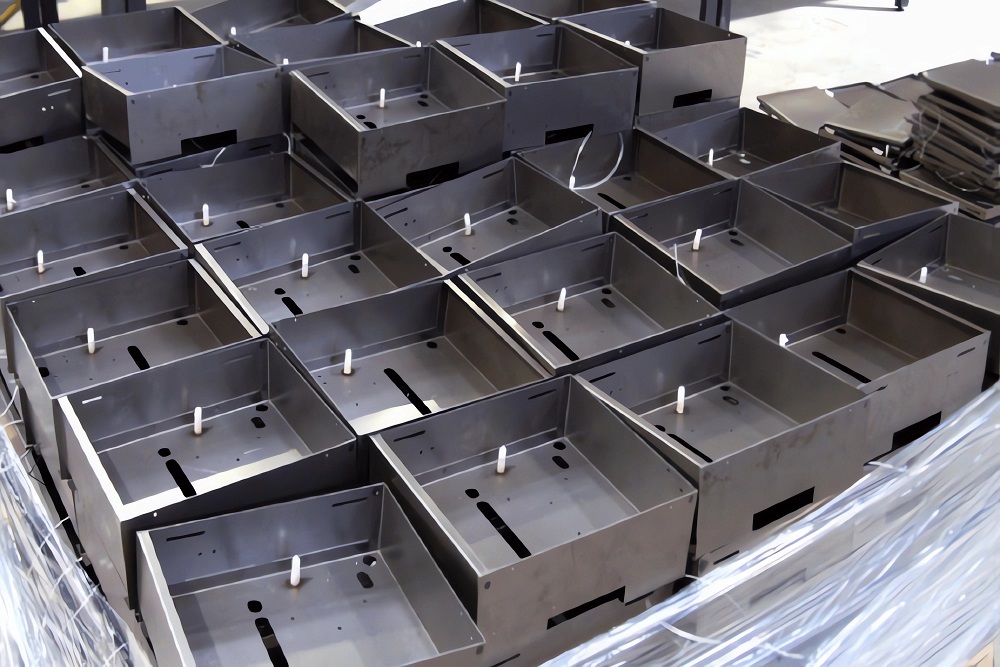
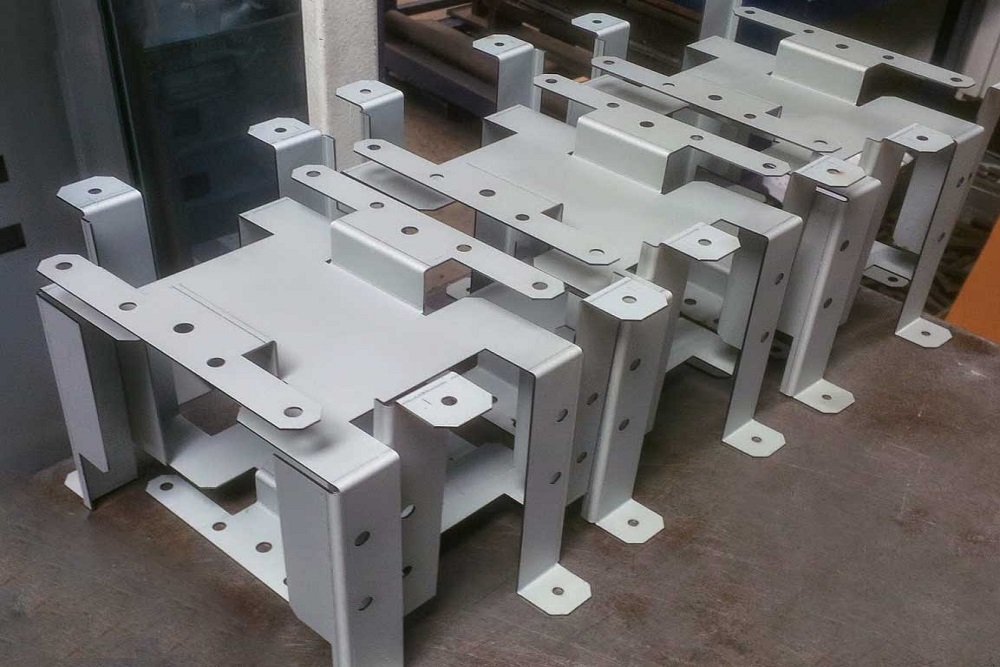
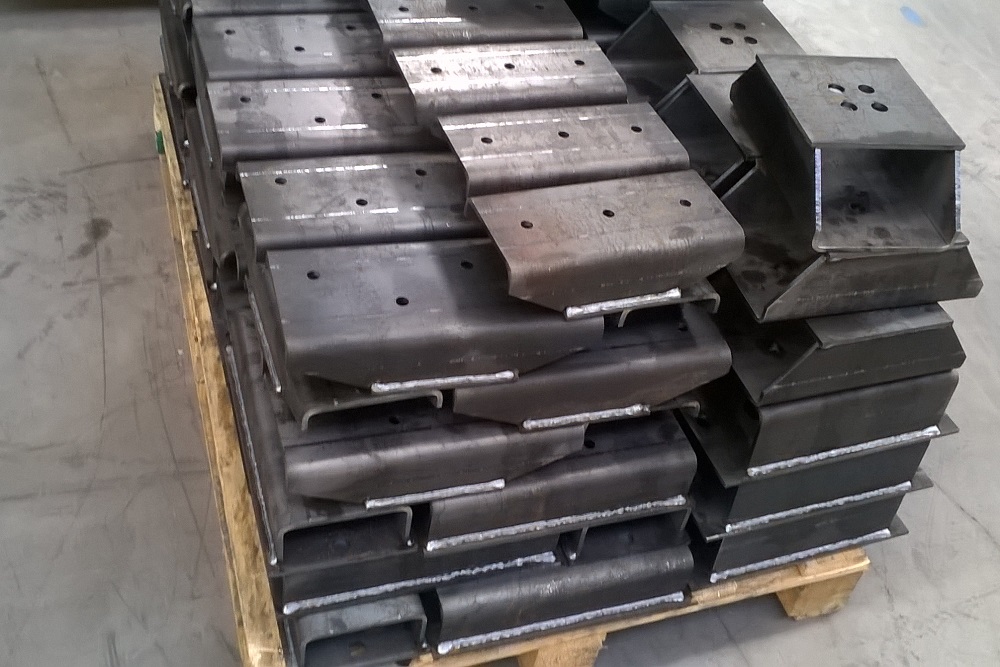
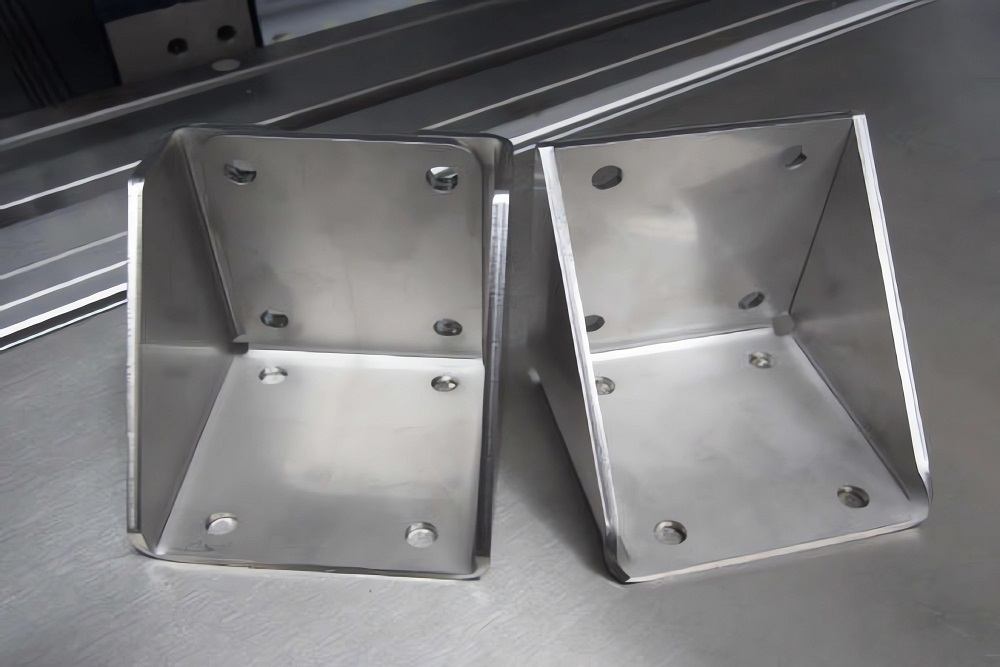
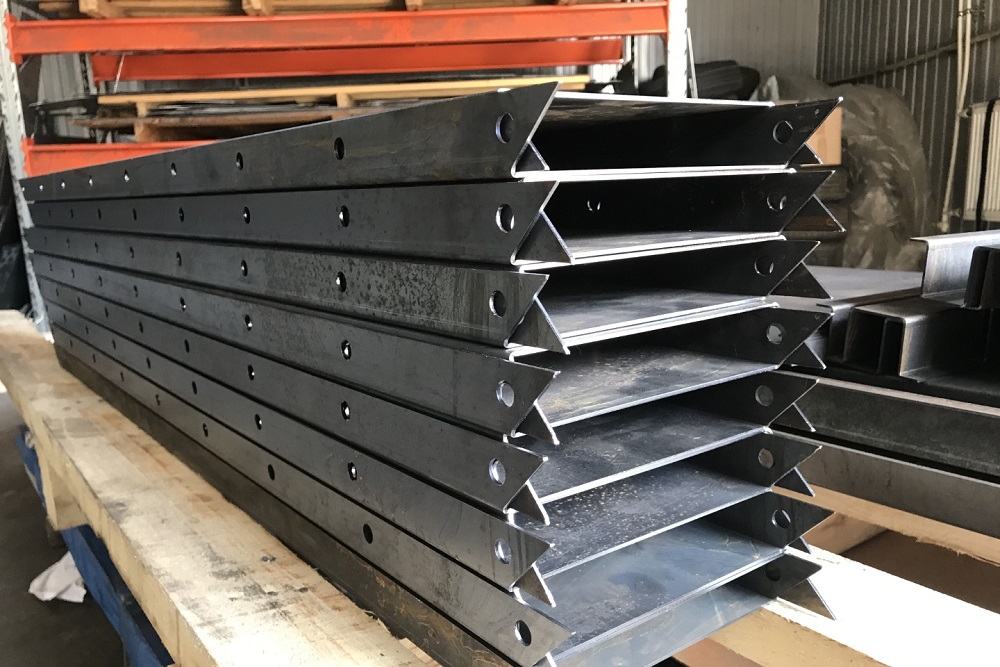
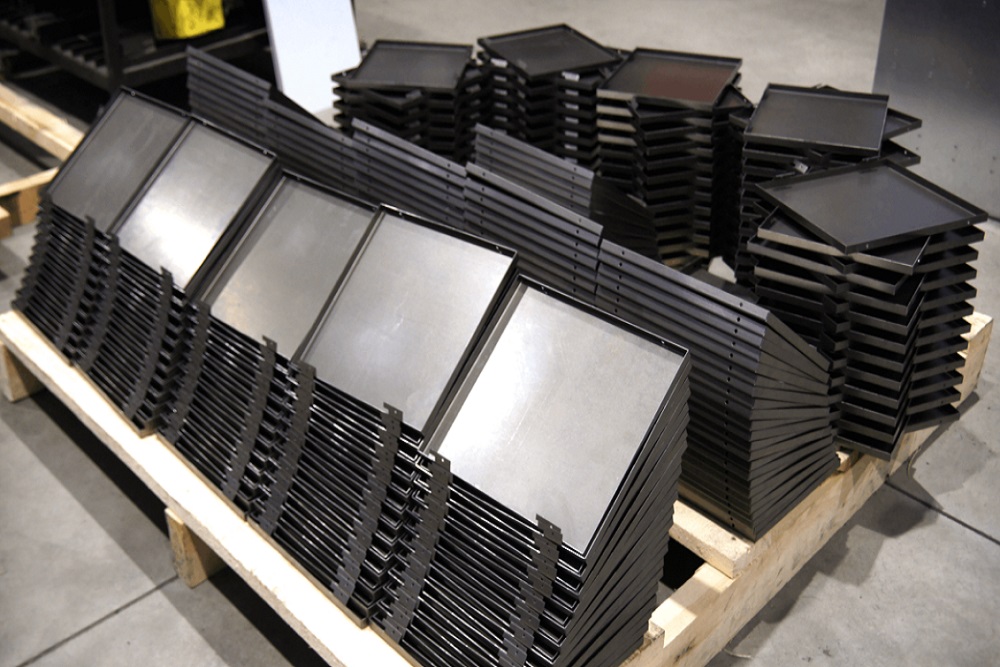
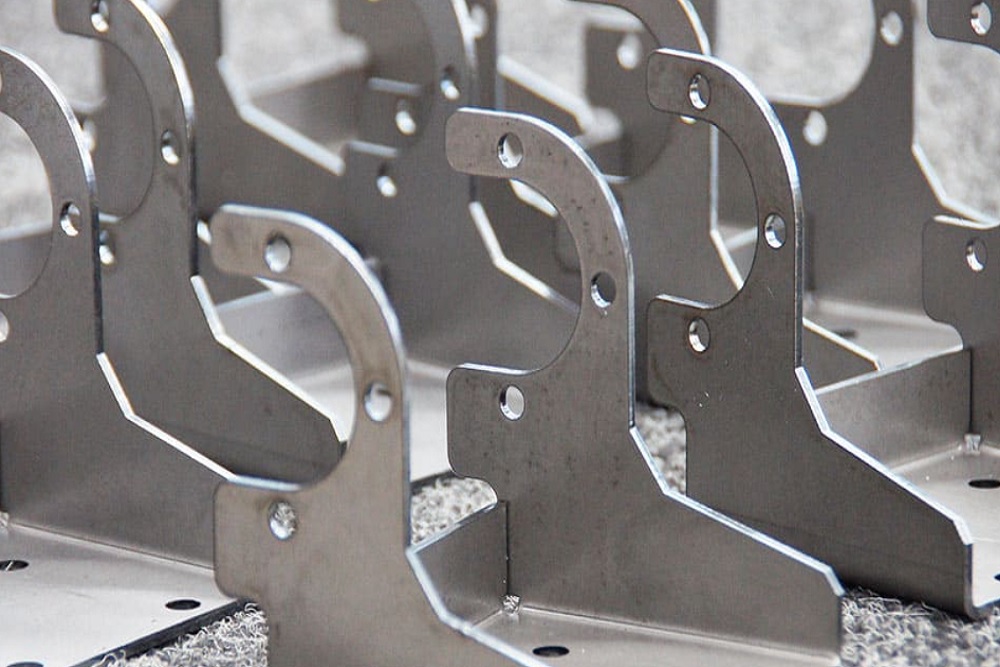
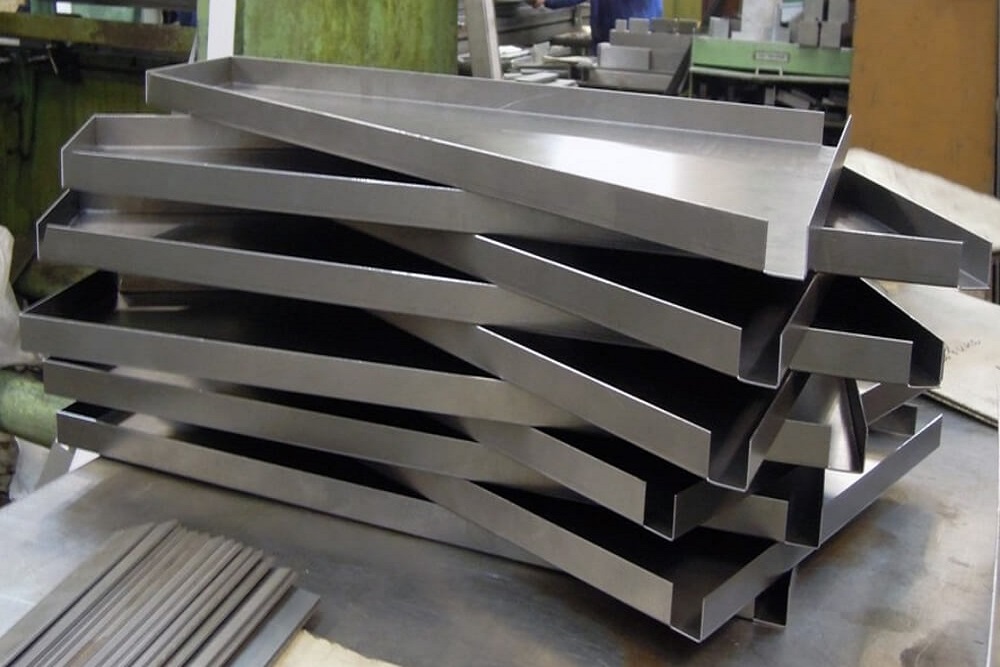
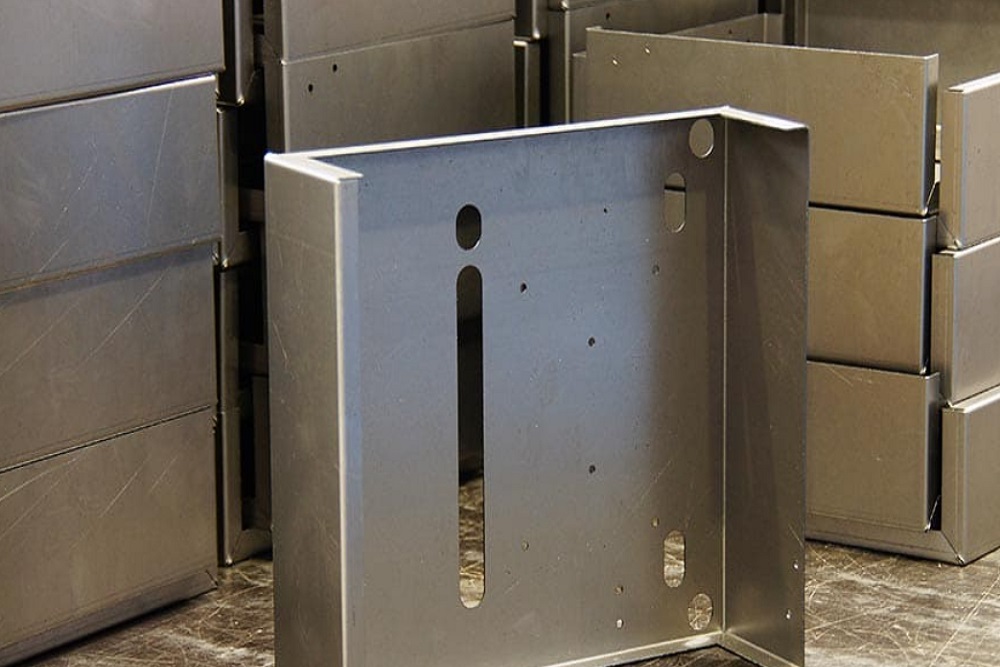
Examples of products after bending
How do we work?

You leave an application for miscalculation
You leave the application in a convenient way for you. It can be: a phone call, an email or a form on the website.

We clarify the details of the order
We check the availability and compliance of the technical task according to our requirements and contact you to clarify the details.

We provide you with an order calculation
We provide you with an estimate of your project from 1 to 5 working days, depending on the complexity of the project.

Production and approval of the sample
We make a test sample or test mini-batch for you and agree on all the key points for the future order

We sign a cooperation agreement with you
We sign a cooperation agreement with you and agree on the shipment schedule.

Launching a batch of products into operation
We launch the agreed batch of products into operation and report to you upon readiness for shipment planning.
we respond quickly to project requests
What is Metal Bending?
Metal Bending: A Versatile Manufacturing Technique
Metal bending is a cornerstone of metalworking, a process that involves shaping metal components into various forms without altering their volume. This technique is widely employed in various industries, from automotive manufacturing to construction and appliance production. It enables the creation of intricate shapes and complex designs, making it an indispensable tool for modern manufacturing.
Types of Metal Bending
Metal bending encompasses a range of techniques, each tailored to specific applications and material properties. Some of the most common methods include:
Roll Forming: This process utilizes a continuous rolling mill to form metal sheets or strips into various shapes, such as channels, I-beams, and U-channels.
Roll Bending: A versatile technique that employs a series of rollers to bend metal plates or bars into precise angles.
Press Brake Bending: A powerful method that uses a press brake, a specialized machine equipped with a movable ram and a die, to bend metal sheets and strips.
Plasma Arc Bending: This technique utilizes a high-temperature plasma arc to melt and reform a metal workpiece, producing intricate shapes and bends.
Waterjet Bending: Employs a high-pressure waterjet to cut and bend metal, creating clean, precise bends with minimal heat-affected zone.
Advantages of Metal Bending
Metal bending offers several advantages over other forming methods:
Versatility: It can be used to form a wide range of shapes and components, from simple brackets to complex architectural elements.
Precision: Modern bending machines can achieve high levels of precision, producing accurate shapes and dimensions.
Efficiency: Automated bending systems can operate at high speeds, reducing production time and costs.
Affordability: Metal bending is generally considered a cost-effective manufacturing process.
Applications of Metal Bending
Metal bending finds extensive applications across diverse industries:
Automotive: Bending is essential for forming car bodies, chassis components, and various automotive parts.
Construction: Metal beams, structural components, and architectural elements are commonly formed using metal bending techniques.
Appliance Manufacturing: Bending is crucial for fabricating household appliances, such as refrigerators, washing machines, and ovens.
Aerospace: Aircraft components, rocket structures, and other aerospace parts require precise bending procedures.
Medical Devices: Medical implants, surgical instruments, and orthopedic devices often incorporate bent metal components.
Conclusion
Metal bending stands as a fundamental tool in modern manufacturing, enabling the creation of a wide range of metal components with precision, efficiency, and affordability. Its versatility and adaptability make it an indispensable process for various industries, shaping the world around us.
Contact us
Cooperating with our company, you don’t have to worry about receiving an order on time that will meet your quality standards!
