 Skip to content
Turning machining
We perform turning work on metal
the latest equipment and in the agreed terms

We use CNC equipment
Horizontal CNC machine for 2 cartridges

The maximum weight of the workpiece
The maximum weight of the workpiece is: 150 kg

Maximum turning diameter
The maximum turning diameter is: 230 mm

Maximum turning length
The maximum turning length is: 600 mm
we implement the order on time
What metals do we grind?


quality control at every stage
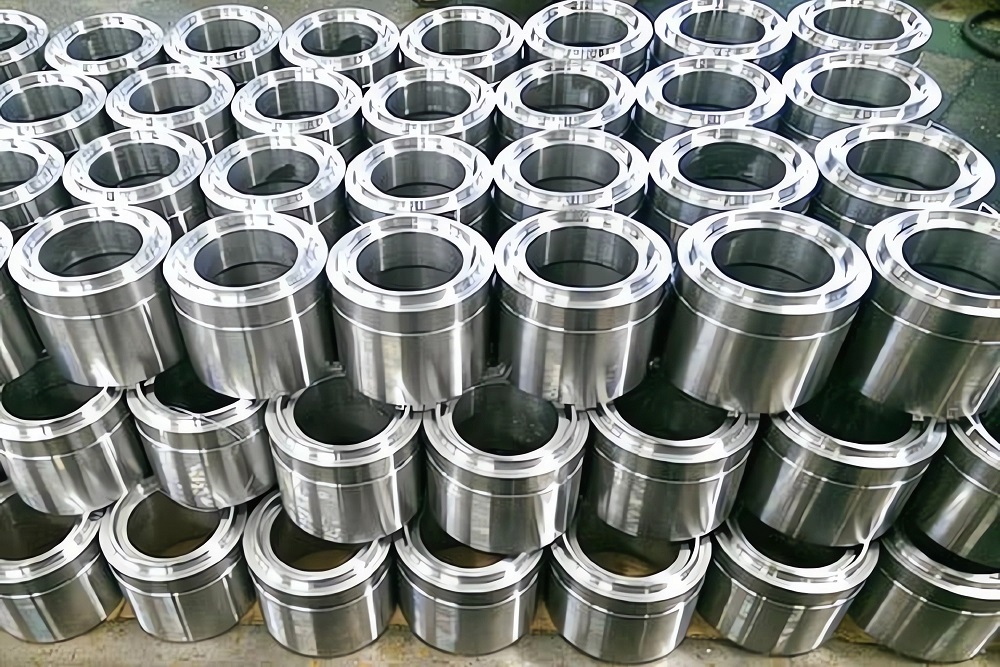
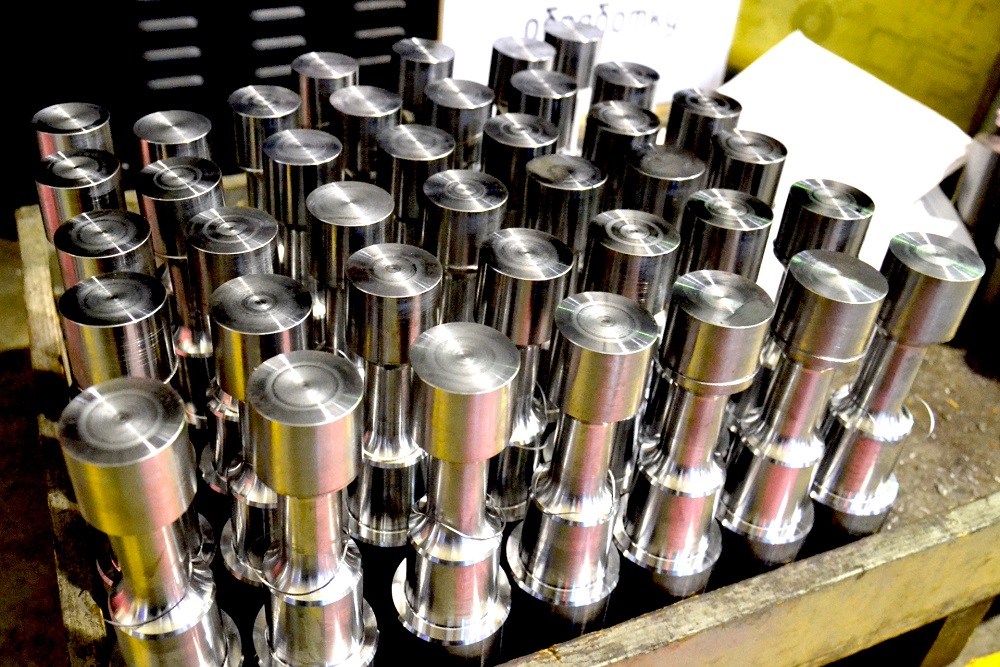
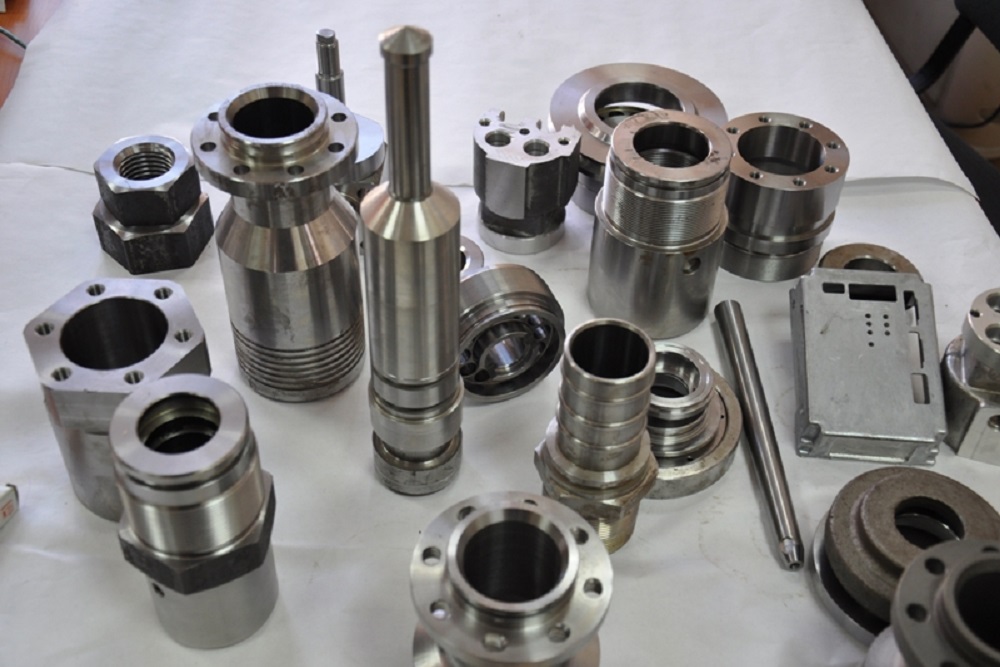
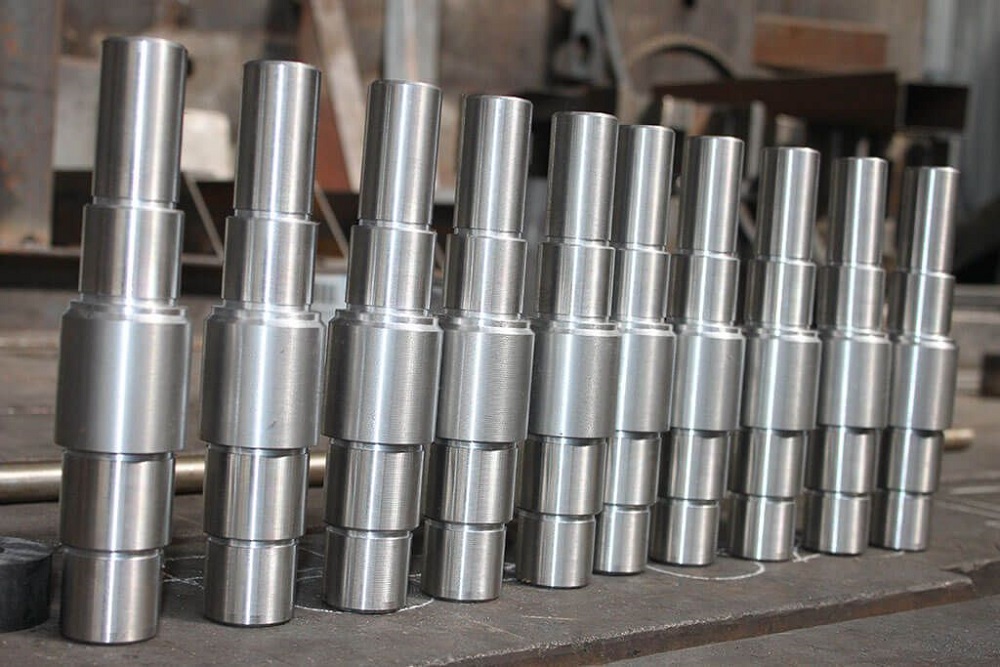
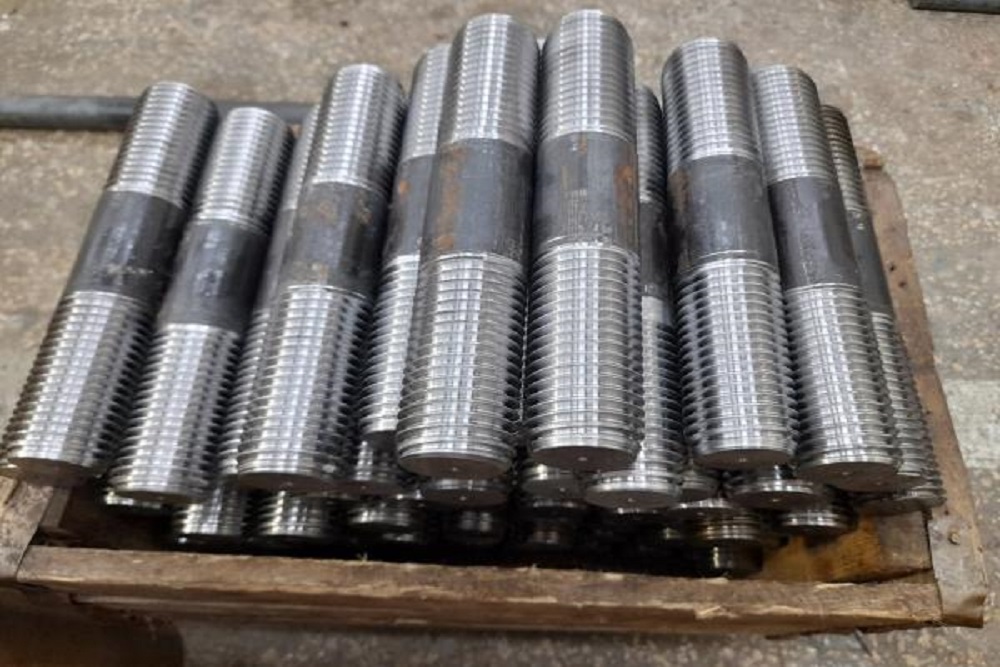
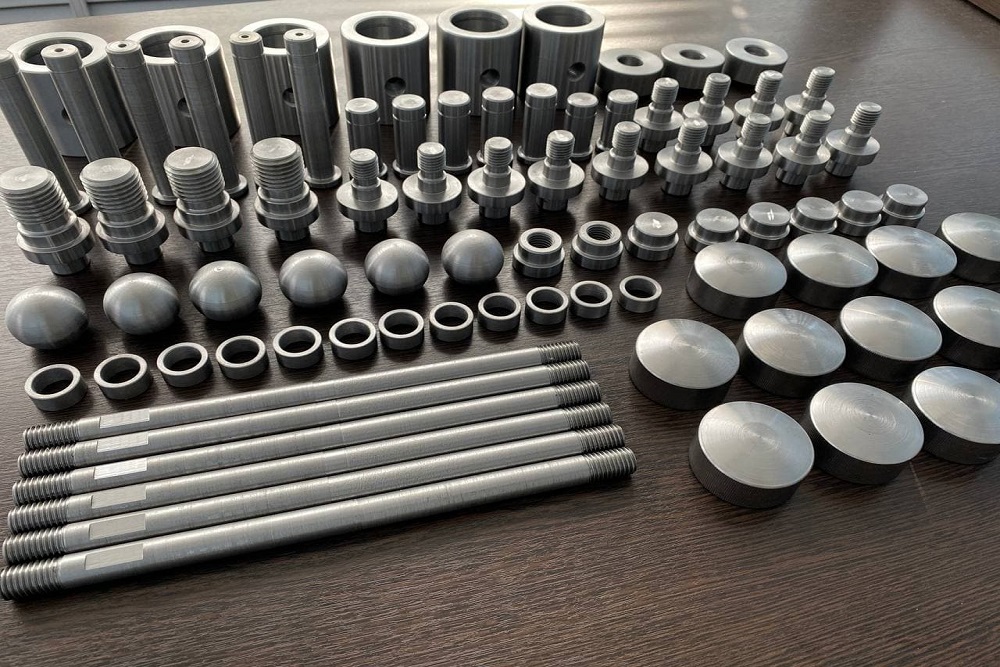
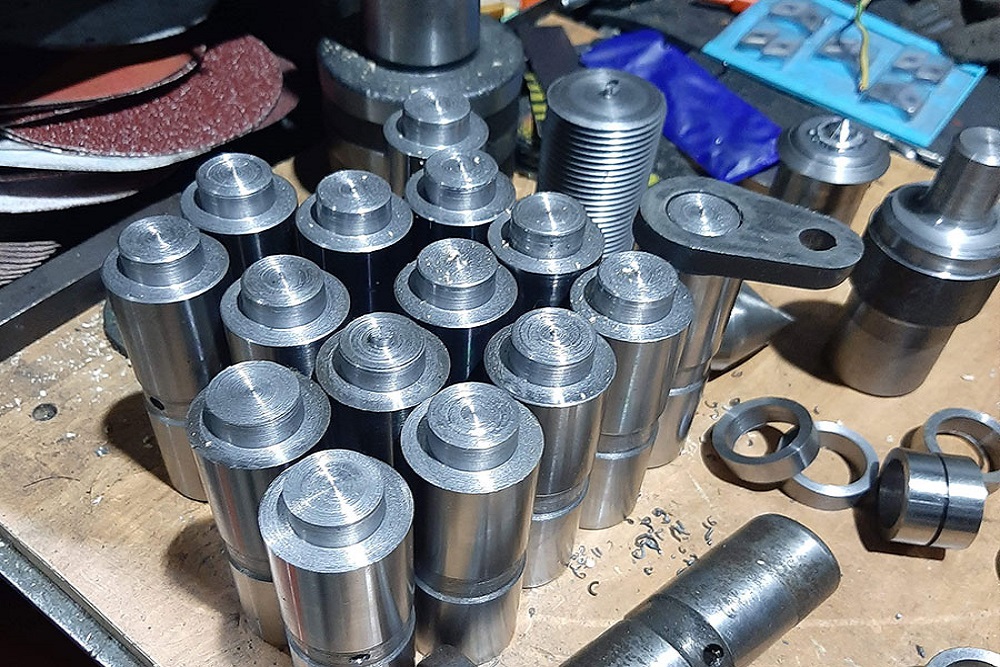
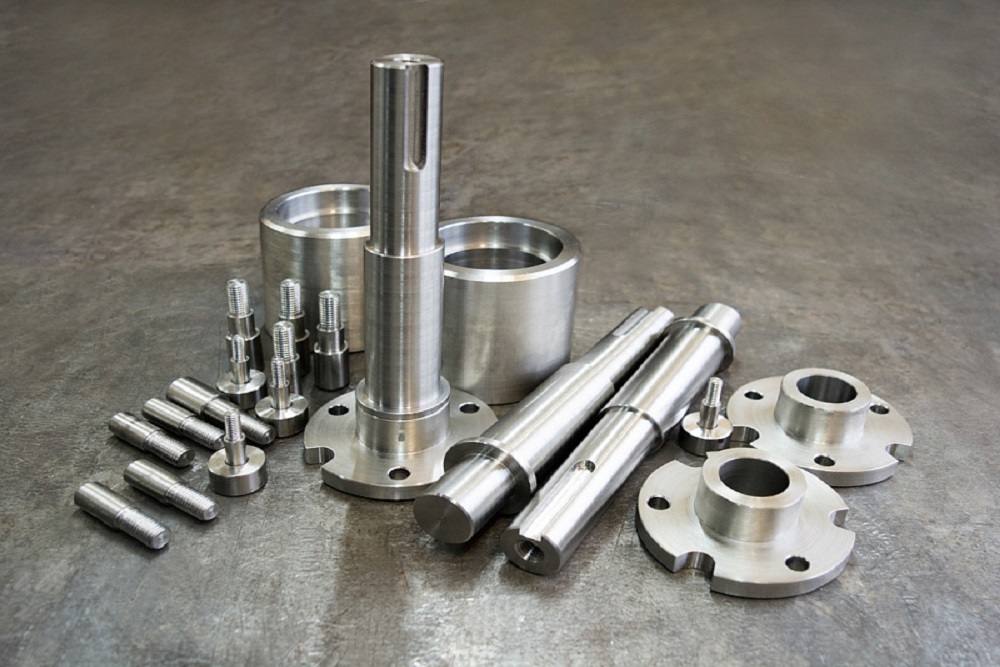
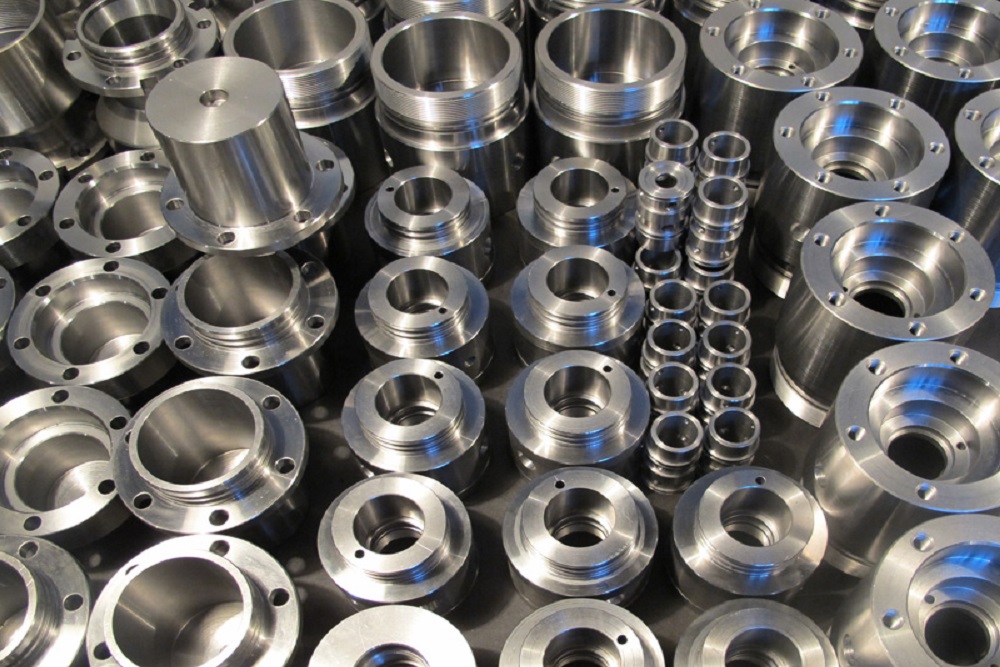
Examples of turning products
How do we work?

You leave an application for miscalculation
You leave the application in a convenient way for you. It can be: a phone call, an email or a form on the website.

We clarify the details of the order
We check the availability and compliance of the technical task according to our requirements and contact you to clarify the details.

We provide you with an order calculation
We provide you with an estimate of your project from 1 to 5 working days, depending on the complexity of the project.

Production and approval of the sample
We make a test sample or test mini-batch for you and agree on all the key points for the future order

We sign a cooperation agreement with you
We sign a cooperation agreement with you and agree on the shipment schedule.

Launching a batch of products into operation
We launch the agreed batch of products into operation and report to you upon readiness for shipment planning.
we respond quickly to project requests
What is turning?
Turning Machining: A Fundamental Metalworking Process
Turning machining stands as a cornerstone of the metalworking industry, a precise and versatile technique that removes material from a rotating workpiece using a single-point cutting tool, shaping it into intricate and complex forms. This fundamental process finds applications across a wide range of industries, from automotive and aerospace to manufacturing and construction.
Key Elements of Turning Machining
The turning process revolves around three essential elements:
Workpiece: The material being machined, typically a cylindrical or conical object.
Cutting Tool: A single-point tool that removes material from the workpiece, shaping it according to the desired dimensions.
Machine Tool: The turning machine, which holds and rotates the workpiece while the cutting tool moves along its axis, progressively reducing its diameter or shaping its surface.
Types of Turning Machining
Turning machining encompasses various subprocesses, each tailored to specific applications and material properties:
Conventional Turning: A traditional method where the cutting tool moves linearly along the workpiece’s axis, removing material to achieve precise dimensions.
Canned Turning: An automated turning process that utilizes a pre-programmed tool path, enhancing productivity and efficiency.
Live Center Turning: A technique that employs a second cutting tool, the live center, to support the workpiece’s end, enabling longer turning operations.
Threading: A specialized turning process that creates helical grooves on the workpiece’s surface, forming threads for screw-type fasteners.
Advantages of Turning Machining
Turning machining offers a multitude of benefits, making it a widely employed metalworking process:
Versatility: Turning can be used to machine a wide range of materials, including steel, aluminum, brass, and plastics.
Precision: Turning produces accurate and precise dimensions, meeting the requirements of diverse applications.
Efficiency: Turning machines can operate at high speeds, enabling efficient material removal and production.
Cost-Effectiveness: Turning is generally considered a cost-effective machining method.
Applications of Turning Machining
Turning machining finds extensive applications across a diverse range of industries:
Automotive: Turning is used to produce various components for automobiles, including engine parts, axles, and crankshafts.
Aerospace: Turning is employed in aerospace manufacturing, creating precise components for aircraft fuselages, engines, and landing gear.
Manufacturing: Turning is a staple in manufacturing, producing a wide range of components for machinery, appliances, and tools.
Construction: Turning is used in construction applications, fabricating structural components, such as railings, handrails, and fasteners.
Conclusion
Turning machining stands as a cornerstone of the metalworking industry, a versatile and precise process that has revolutionized the creation of intricate and complex metal components. Its ability to produce accurate dimensions, high productivity, and cost-effectiveness has made it an indispensable tool for manufacturers and businesses across various industries.
Contact us
Cooperating with our company, you don’t have to worry about receiving an order on time that will meet your quality standards!
